Key stage 1
Lesson 1:
To learn about the special people in our lives and how we care for one another.
Lesson 2:
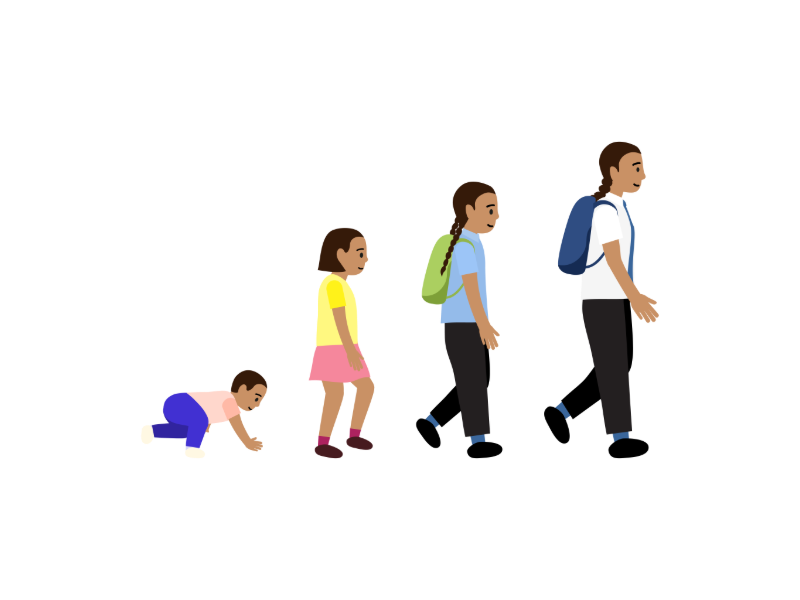
To learn about how we change as we grow.
Lesson 3:
To learn the names of different parts of the body, including genitalia.
|
Families
1. what a family is and who is in our family
3. how families show love and care, and different ways they can spend time together and share each other’s lives
Friendships
1. what friendship is and what makes a good friend
2. how people make friends and how to be kind and caring in friendships
Respecting self and others
9. how to identify people they can tell, and get help from, if they are worried, upset, uncomfortable or unsure about relationships or someone’s behaviour, and why it is important to do so
Safe relationships: consent, boundaries and trust
3. that some parts of the body are private; to be able to name these private parts of the body (e.g. penis, testicles, scrotum, nipples, vulva, vagina)
5. what is meant by a ‘trusted adult’ (i.e. someone they know who makes them feel safe, listened to and cared for); how to ask for help from a trusted adult
8. what to do if they feel unsafe or worried for themselves or others; who and how to ask for help; the importance of keeping trying until they are heard
Changing and growing up
1. about growing and changing from young to old and how people’s needs change
|
Families and people who care for me
(1) That families are important for children growing up safe and happy because they can provide love, security and stability.
(2) The characteristics of safe and happy family life, such as commitment to each other, including in times of difficulty, protection and care for children and other family members, the importance of spending time together and sharing each other’s lives.
Caring friendships
(2) That healthy friendships are positive and welcoming towards others, and do not make others feel lonely or excluded. Pupils should learn skills for developing caring, kind friendships.
(5) That most friendships have ups and downs, and that these can often be worked through so that the friendship is repaired or even strengthened.
Respectful, kind relationships
(1) How to pay attention to the needs and preferences of others, including in families and friendships. Pupils should be encouraged to discuss how we balance the needs and wishes of different people in relationships and why this can be complicated.
(3) How to communicate effectively and manage conflict with kindness and respect; how to be assertive and express needs and boundaries; how to manage feelings, including disappointment and frustration.
(6) Practical steps they can take and skills they can develop in a range of different contexts to improve or support their relationships.
(11) How to seek help when needed, including when they are concerned about violence, harm, or when they are unsure who to trust.
Being safe
(2) The concept of privacy and its implications for both children and adults; including that it is not always right to keep secrets if they relate to being safe.
(6) How to report abuse, concerns about something seen online or experienced in real life, or feelings of being unsafe or feeling bad about any adult and the vocabulary and confidence needed to do so.
(7) How to ask for advice or help for themselves or others, and to keep trying until they are heard. Where to get advice e.g. family, school and/or other sources.
General wellbeing
(3) The range and scale of emotions (e.g. happiness, sadness, anger, fear, surprise, nervousness) that they might experience in different situations. Pupils should understand that worrying and feeling down are normal, affect everyone at different times, and are not in themselves a sign of a mental health condition.
Health protection and prevention
(5) About personal hygiene and germs including bacteria, viruses, how they are spread and treated, and the importance of handwashing.
Developing bodies
(1) About growth and other ways the body can change and develop, particularly during adolescence. This topic should include the human lifecycle, and puberty should be discussed as a stage in this process.
(2) The correct names of body parts, including the penis, vulva, vagina, testicles, scrotum, nipples. Pupils should understand that all of these parts of the body are private and have skills to understand and express their own boundaries around these body parts.
(3) The facts about the menstrual cycle, including physical and emotional changes, whilst the average of onset of menstruation is twelve, periods can start at eight, so covering this topic before girls’ periods start will help them understand what to expect and avoid distress.
|
Key stage 2, Year 4-5
Lesson 1:
To learn about the physical changes that happen during puberty.
Lesson 2:
To learn about the biological changes that happen during puberty.
Lesson 3:
To learn about the importance of personal hygiene during puberty.
Lesson 4:
To learn about privacy and personal boundaries.
Lesson 5:
To learn about emotional changes during puberty.
|
Friendships
13. that friendships have ups and downs and can change over time; that working through differences can sometimes strengthen friendships
Safe relationships: consent, boundaries and trust
9. the difference between public and private; why something might be private, and when children and adults have a right to privacy
11. what is meant by boundaries; how to set and communicate appropriate boundaries in friendships and other relationships; the importance of respecting each other’s boundaries
14. how to recognise pressure from others to do something that is unsafe or makes them feel uncomfortable, and strategies for managing that
19. how to identify trusted adults, and other sources of support and advice, in different contexts; the vocabulary and skills needed to seek help if they are concerned about their own or others’ safety or if they feel worried, upset or frightened about something, including violence or harm; how to keep trying until they are heard
Mental health and wellbeing
17. that everyone feels worried, lonely or sad sometimes and that these feelings can affect wellbeing; the benefits of speaking to someone if feeling lonely, worried or sad
Keeping healthy and well
10. why and how to maintain personal hygiene; about bacteria and viruses and ways to limit the spread of infection (e.g. hygiene routines, vaccination, immunisation)
Changing and growing up
2. the external genitalia and internal reproductive organs in males and females
3. the emotional and physical changes that occur during puberty in both males and females (e.g. mood swings, wet dreams, periods, body hair); strategies to prepare for and manage these changes
4. that people can develop crushes and be attracted to others romantically; that people may be attracted to someone of the same sex or different sex to them
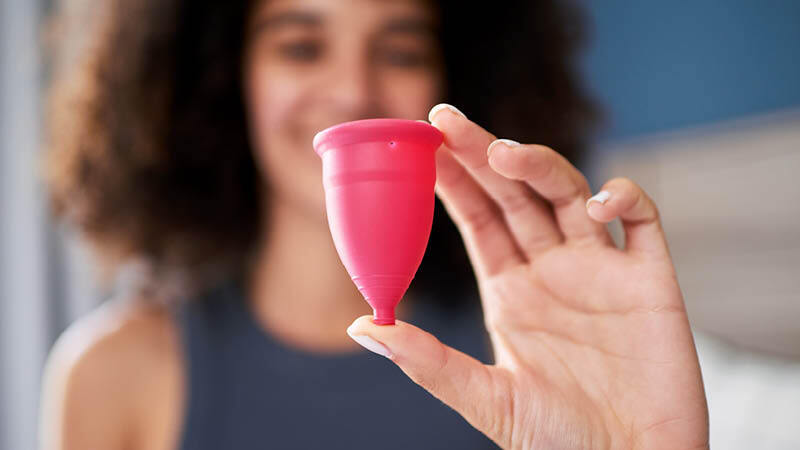
5. the facts about the menstrual cycle and wellbeing, including what period products are available; where to get help and advice for menstrual wellbeing
|